running shoe fit guide
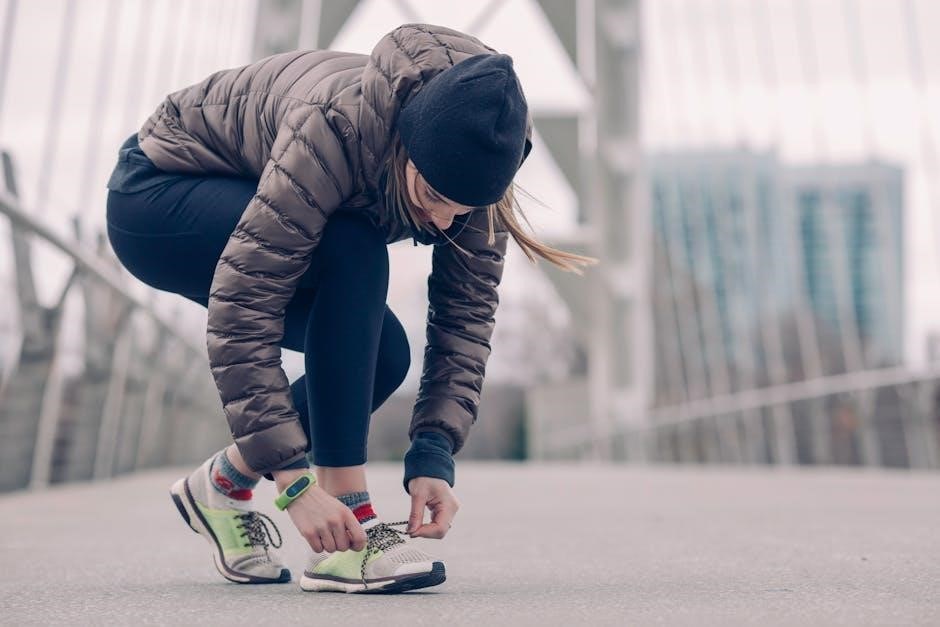
Running Shoe Fit Guide: A Comprehensive Overview
Navigating the world of running shoes requires understanding fit intricacies, as inconsistencies exist between brands and models, even with standardized sizing systems.
Proper fit prevents injury, enhances comfort, and optimizes running form; expert fittings and self-measurement techniques are crucial for finding your ideal size.
This comprehensive guide explores foot types, accurate measurements, brand-specific charts, and essential considerations like sock thickness and time of day.
Understanding Your Foot Type
Determining your foot type is foundational to selecting the right running shoe. Feet are broadly categorized into three main types: neutral, pronated (flat feet), and supinated (high arches). Neutral feet exhibit a balanced biomechanical motion, distributing impact evenly. Runners with neutral feet generally benefit from neutral shoes offering cushioning and flexibility.
Pronation involves the inward rolling of the foot upon impact. Overpronation, common in those with flat feet, can lead to instability. Stability shoes with medial support help control excessive motion. Supination, conversely, is the outward rolling of the foot. Supinators, often with high arches, require cushioned shoes to absorb shock, as their feet don’t naturally absorb impact well.
A simple wet foot test – wetting your foot and stepping onto dark paper – can reveal your arch type. The imprint’s shape indicates your foot’s natural mechanics. Gait analysis, performed at specialty running stores, provides a more precise assessment of your foot strike and pronation pattern, guiding optimal shoe selection.
Measuring Your Feet Accurately
Accurate foot measurement is paramount for a comfortable and effective running experience. It’s best to measure both feet, as slight size discrepancies are common. Use a Brannock device at a running store for the most precise reading, or measure at home with a ruler, paper, and a wall.
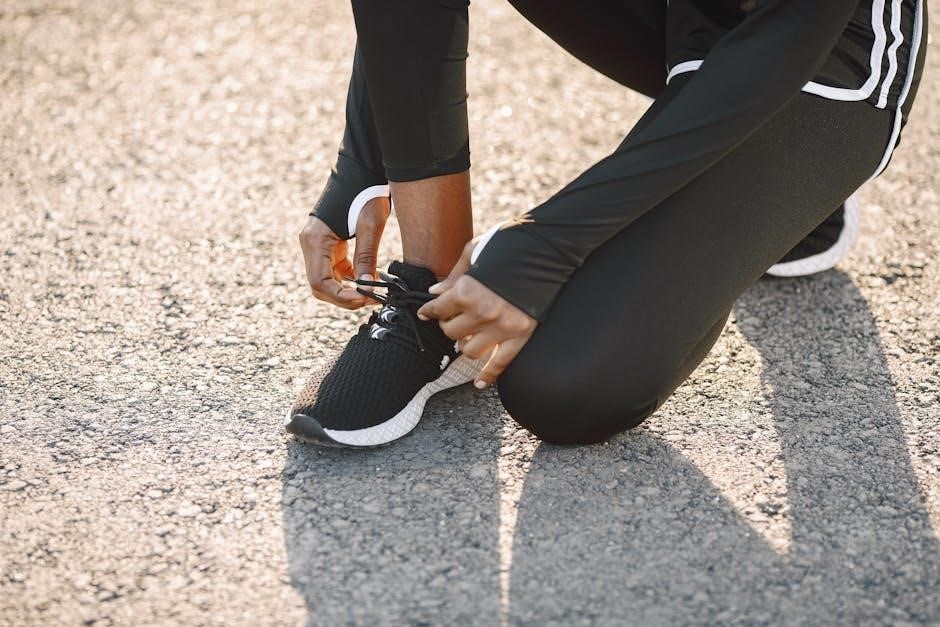
When measuring at home, place a piece of paper against a wall, stand with your heel against the wall, and trace your foot. Measure the length from the heel to the longest toe (which isn’t always the big toe!). Repeat for the other foot and use the larger measurement as your guide. Measure width as well, finding the widest part of your foot.
Ensure you’re standing and bearing weight during measurement, mimicking the pressure experienced while running. Consider measuring later in the day, as feet tend to swell throughout the day. Add a thumb’s width (approximately 0.5 to 1 cm) to your longest measurement to allow for toe splay and prevent rubbing.
Running Shoe Size Charts: Brand Variations
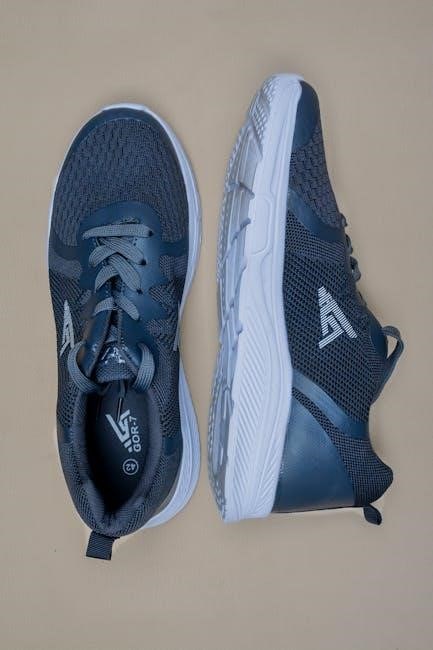
Navigating running shoe sizing can be complex due to significant variations between brands. A US size 9 in Nike won’t necessarily equate to a size 9 in Adidas or Asics. Standardized sizing systems (US, UK, EU) offer a general guideline, but internal brand lasts and construction heavily influence fit.
Each manufacturer employs unique foot-shaped molds (lasts) which dictate the shoe’s overall shape and volume. Therefore, relying solely on your usual size is often insufficient. Consulting brand-specific size charts is crucial; most brands provide detailed charts on their websites, converting between US, UK, and EU sizes.
Furthermore, even within a single brand, sizing can differ between models. It’s advisable to check the size chart for the specific shoe you’re considering. Online resources and store associates can assist in interpreting these charts and finding your optimal fit, considering individual foot characteristics.
Nike Running Shoe Sizing
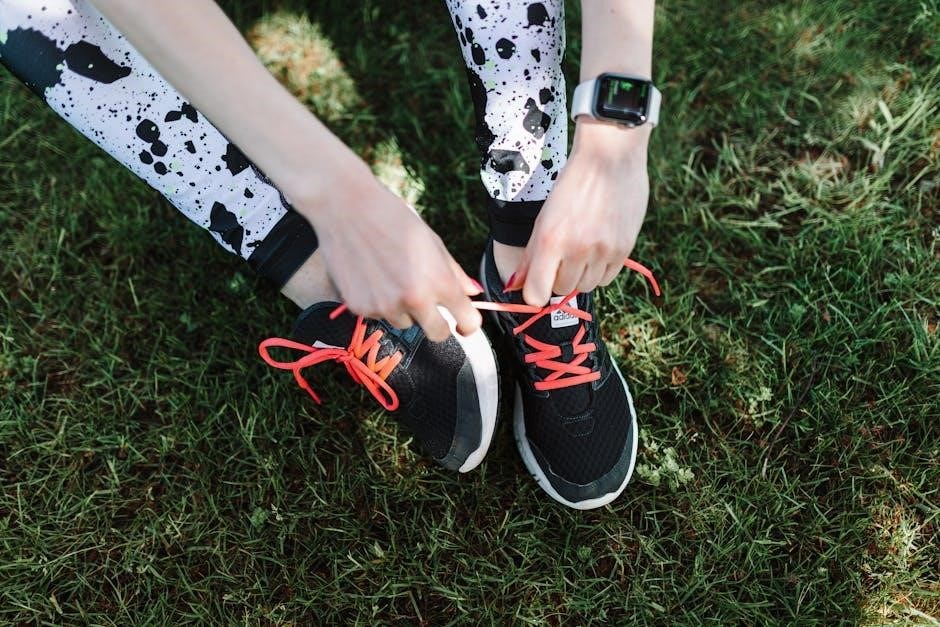
Nike running shoes generally run true to size for many runners, but variations exist between models. It’s often recommended to try on Nike shoes before purchasing, especially if you’re new to the brand or trying a different style. Nike provides a detailed size chart on their website, allowing conversion between US, UK, and EU sizes, as well as centimeters.
However, some Nike models, particularly those designed for speedwork or racing, may fit smaller due to a more streamlined, performance-oriented shape. In these cases, considering a half size up is advisable. Nike also offers different widths, catering to narrow, standard, and wide feet, impacting the overall fit.
Utilizing Nike’s online fit finder tool, which considers your foot measurements and running preferences, can provide a personalized size recommendation. Remember to account for sock thickness when trying on shoes, ensuring a comfortable and secure fit throughout your run.
Adidas Running Shoe Sizing
Adidas running shoes, like Nike, can vary in sizing depending on the specific model. Generally, Adidas shoes tend to run slightly smaller than US standard sizing, so many runners suggest going up a half size, particularly for performance-focused shoes. Adidas offers comprehensive size charts on their website, facilitating conversions between US, UK, EU, and Japanese sizes.
Consider the shoe’s intended use; Adidas’ Boost technology shoes often require a bit more room in the toe box for optimal cushioning and comfort. Width is also a crucial factor, with Adidas providing options for narrow, standard, and wide feet. Checking Adidas’ official website for model-specific sizing recommendations is highly encouraged.
Utilizing online resources and reading reviews from other runners can provide valuable insights into the fit of specific Adidas models. Always try shoes on with the socks you intend to wear while running to ensure an accurate and comfortable fit.
Asics Running Shoe Sizing
Asics running shoes are known for their consistent sizing, though variations still exist between models. Generally, Asics tends to fit true to size for many runners, but some models, particularly those with a narrower fit, may benefit from sizing up a half size. Asics provides detailed size charts on their official website, allowing for easy conversion between US, UK, EU, and centimeter measurements.
Pay attention to the specific technology within the shoe; Gel cushioning and other features can influence the required fit. Width options are readily available from Asics, catering to narrow, standard, and wide foot types. Consulting the Asics Running Club resources and FAQs can offer additional guidance.
Reading reviews and considering your foot shape are crucial steps. Remember to try on shoes later in the day, with your running socks, to account for foot swelling and ensure a comfortable, accurate fit.
Puma Running Shoe Sizing
Puma running shoes often run slightly smaller than other major brands, so many runners recommend sizing up a half or even a full size, especially if you have wider feet or prefer extra toe room. However, this isn’t a universal rule, and variations exist between Puma’s different running models – Nitro, Velocity, and Liberate all have slightly different fits.
Puma offers comprehensive size charts on their website, including conversions for various international sizing systems. Utilize these charts as a starting point, but prioritize trying on shoes whenever possible. Consider the sock thickness you typically wear while running, as this impacts the overall fit.
Pay close attention to the toe box; Puma shoes sometimes have a narrower toe box, potentially requiring additional space. Checking for adequate heel hold is also vital to prevent slippage and blisters during your runs.
The Importance of Width
Beyond length, running shoe width is a critical, often overlooked, aspect of proper fit. Ignoring width can lead to discomfort, blisters, and even injuries like black toenails or nerve compression. Feet aren’t one-size-fits-all; they come in narrow, standard, and wide variations.
A shoe that’s the correct length but too narrow will constrict your foot, causing rubbing and pressure points. Conversely, a shoe that’s too wide won’t provide adequate support, leading to instability and inefficient movement. Most brands offer shoes in multiple widths, denoted by letters like 2A (narrow), B (standard), D (wide), and 2E or 4E (extra wide).
Determining your width requires careful assessment, ideally at a specialty running store. Professionals can measure your foot and recommend the appropriate width based on its shape and volume. Don’t hesitate to explore different width options within your preferred brand and model.
Narrow, Standard, and Wide Widths Explained
Understanding width designations is key to a comfortable run. Standard width (typically labeled ‘B’ for women and ‘D’ for men) accommodates the average foot shape. However, many runners fall outside this range.
Narrow widths (2A for women, B for men) are designed for those with slender feet, preventing excessive movement within the shoe. These shoes offer a snugger fit, reducing the risk of blisters. Wide widths (D for women, 2E for men) cater to runners with broader feet, providing ample room in the toe box and midfoot.
Extra-wide options (2E/4E for men, E/2E for women) are available for particularly wide feet or those with specific foot conditions. It’s crucial to remember these are guidelines; individual foot shape varies. A proper fitting considers not just width, but also foot volume and arch height. Don’t assume a width based on past shoe experiences – brands differ!
Considering Sock Thickness
Running socks significantly impact shoe fit, and accounting for their thickness during fitting is essential. Thin racing socks require a snugger shoe fit than thicker training socks. Always try on running shoes with the socks you intend to wear while running.

Material matters; moisture-wicking synthetic socks compress less when wet than cotton, influencing fit. Consider seasonal variations – thicker socks for colder weather, thinner for warmer. If you typically wear cushioned socks, ensure the shoe accommodates the added volume without causing pressure points.
Bring your usual running socks to the shoe store. Don’t rely on the socks provided, as they may not accurately reflect your typical setup. A half-size difference may be necessary when switching between sock thicknesses. Ignoring sock thickness can lead to blisters, discomfort, and an ill-fitting shoe.
Running Socks and Their Impact on Fit
Running socks are far more than just foot coverings; they profoundly influence the fit and feel of your running shoes. Modern running socks utilize moisture-wicking materials like synthetics and merino wool, minimizing blisters and maximizing comfort. However, these materials compress differently than cotton, impacting the required shoe volume.
Cushioning levels vary greatly, from ultra-thin racing socks to heavily padded trail socks. Thicker socks demand more room in the toe box and overall shoe volume to prevent constriction. Seamless construction is crucial to avoid irritation and hotspots. Proper sock fit prevents slippage, which can also contribute to blisters.
Experiment with different sock types to find what works best for your feet and running style. Always factor sock thickness into your shoe fitting process, and remember that a seemingly minor change in sock can necessitate a different shoe size. Investing in quality running socks is as important as investing in quality shoes.
Time of Day for Shoe Fitting
The time of day significantly impacts foot size due to natural swelling that occurs throughout the day. Feet tend to expand as you become more active and spend time on your feet, increasing in volume. Therefore, fitting shoes in the morning, when feet are typically at their smallest, can lead to an inaccurate and potentially uncomfortable fit later during a run.
Evening fittings are strongly recommended. After a full day of activity, your feet will be closer to their maximum size, providing a more realistic assessment of the required shoe volume. This ensures adequate toe box space and prevents pressure points that can develop during longer runs.

Consider fitting shoes after a workout or run, when your feet are already warmed up and slightly swollen. This simulates the conditions your feet will experience during actual running. Always prioritize comfort and allow for natural expansion when selecting your running shoes.
Why Evening Fittings are Recommended
Throughout the day, our feet experience fluctuations in size due to gravity and activity levels. This means feet are generally smaller in the morning and progressively swell as the day progresses. Consequently, a shoe that feels comfortable in the morning might become constricting and cause discomfort during an evening run.
Evening fittings account for this natural swelling, providing a more accurate representation of how the shoe will fit during actual use. By fitting shoes when feet are at their largest, you ensure sufficient room in the toe box and prevent issues like blisters or black toenails.
This practice minimizes the risk of purchasing shoes that are too small, leading to a more enjoyable and injury-free running experience. Prioritizing an evening fitting is a simple yet crucial step towards optimal shoe fit and performance.
Gait Analysis and Shoe Selection
Gait analysis is the assessment of how your foot strikes the ground while running, revealing patterns of pronation or supination. Pronation refers to the inward rolling motion of the foot, while supination is the outward roll. Understanding your gait is vital for selecting shoes that provide appropriate support and cushioning.
Neutral runners, with a balanced gait, can typically wear a wider range of shoe types. Overpronators, whose feet roll inward excessively, benefit from stability shoes that offer motion control. Supinators, with minimal inward roll, often require cushioned shoes to absorb shock.
Many running stores offer gait analysis services, often involving treadmill observation. Choosing shoes aligned with your gait minimizes stress on joints and reduces the risk of injuries, enhancing running efficiency and comfort.
Understanding Pronation and Supination
Pronation and supination describe the natural movement of your foot as it rolls inward to distribute impact. Neutral pronation signifies a balanced roll, efficiently absorbing shock. Overpronation occurs when the foot rolls inward excessively, potentially leading to instability and increased injury risk.
Supination, conversely, involves insufficient inward roll, placing greater stress on the outer foot and ankle. Identifying your pronation type is crucial for selecting appropriate running shoes. Wet foot tests – observing your footprint – can offer a preliminary indication, though professional gait analysis is more accurate.
Shoes are designed to counteract these motions; stability shoes support overpronators, while cushioned shoes benefit supinators. Ignoring pronation can contribute to shin splints, knee pain, and other common running ailments.
The Thumb’s Width Rule
A simple yet effective guideline for assessing toe box space is the “thumb’s width rule.” While wearing your running socks, stand and ensure there’s approximately a thumb’s width of space between your longest toe and the end of the shoe.
This buffer accommodates foot swelling during runs and prevents uncomfortable toe jamming. Insufficient space can lead to blisters, black toenails, and overall discomfort, hindering performance. However, excessive space can cause slippage and reduce stability.
Remember that toe length varies; use your longest toe as the reference point. This rule isn’t foolproof, as shoe shapes differ, but it provides a quick initial check. Always combine this with a comprehensive fit assessment, considering heel hold and overall comfort.
Checking for Adequate Toe Box Space
Ensuring sufficient toe box space is paramount for running comfort and preventing injuries. Your toes should have room to splay naturally during the gait cycle, without feeling constricted or compressed. A narrow toe box can lead to blisters, bunions, and even stress fractures over time.
To assess this, stand in the shoes and gently wiggle your toes. You should be able to move them freely without hitting the end or sides of the shoe. Pay attention to the width as well as the length; some shoes are wider than others.
Consider your foot shape – wider feet may require wider toe box options. Don’t rely solely on shoe size; different brands and models vary significantly. Combine this check with the thumb’s width rule for a more comprehensive evaluation of fit.
Heel Hold and Slip Prevention
A secure heel fit is crucial for efficient running and preventing blisters. Excessive heel slippage indicates a poor fit, leading to wasted energy and potential discomfort. When trying on shoes, walk and even jog briefly to assess heel hold.
Your heel should feel snug within the shoe’s heel counter, without feeling overly tight or restricted. Lace the shoes properly, experimenting with different lacing techniques to optimize hold. Heel lock lacing, for example, can significantly reduce slippage.
Consider the shoe’s construction; some models feature enhanced heel counters or padded collars for improved stability. If you experience persistent slippage, explore different shoe brands or consider using heel grips for added security.
Ensuring a Secure Heel Fit
Achieving a secure heel fit is paramount for running efficiency and injury prevention. A properly fitted shoe will minimize unwanted movement, enhancing stability and power transfer. Begin by assessing the heel counter – the rigid structure surrounding the heel.
It should firmly cradle your heel without causing pressure points or chafing. Experiment with different lacing patterns; a runner’s knot or heel-lock lacing can tighten the ankle area, reducing slippage. Pay attention to how your heel feels during dynamic movements like walking and jogging.
If there’s noticeable lift or movement, the shoe may be too large or have an inadequate heel counter. Consider trying a different size or model with a more supportive design. Remember, a secure heel fit is foundational for a comfortable and effective run.
Trying on Shoes with Orthotics
When selecting running shoes, always try them on with your orthotics, as they significantly alter the fit and feel. Remove the shoe’s existing insole before inserting your orthotic – this prevents overcrowding within the shoe. Ensure your orthotic lies flat within the shoe without bunching or causing pressure points.
You may need to size up a half or full size to accommodate the added volume of the orthotic. Walk and jog around the store, paying close attention to how the shoe feels with the orthotic in place. Check for adequate toe box space and heel hold, ensuring your foot isn’t cramped or slipping.
A proper fit with orthotics is crucial for maximizing their benefits and preventing discomfort. Don’t rely on the shoe’s initial feel without your orthotics; the fit will be drastically different.
Accommodating Custom Footbeds
Custom footbeds, like orthotics, demand careful consideration when choosing running shoes. Similar to orthotics, always remove the shoe’s factory insole to create sufficient space for your custom footbed. Verify the footbed fits snugly within the shoe’s shape, without extending beyond the shoe’s edges.
Because custom footbeds are often more substantial than standard insoles, you’ll likely need to increase your shoe size – potentially by a half or even a full size. Prioritize a secure heel hold and ample toe box room to prevent discomfort and blisters. Test the fit by walking and running, assessing for any pressure points or slippage.
Consider shoes with a removable insole and a relatively neutral shape to best accommodate your custom footbeds. A professional fitting, alongside your podiatrist’s recommendations, is highly advised.
Common Fitting Mistakes to Avoid
One frequent error is relying solely on your previous shoe size, as sizing varies significantly between brands and even models within the same brand. Another mistake is neglecting to measure your feet regularly, as they can change over time. Ignoring sock thickness during fitting is also problematic; always try shoes on with the socks you intend to run in.
Many runners fail to account for foot swelling during and after exercise, leading to shoes that feel comfortable in the store but constricting on the run. Don’t assume a shoe will “break in” and become more comfortable if it initially feels wrong. Furthermore, avoid prioritizing aesthetics over fit; a stylish shoe that doesn’t fit properly can cause injuries.
Finally, skipping a gait analysis can result in selecting shoes that don’t adequately support your foot’s natural movement pattern.
Recognizing and Correcting Poor Fit
Signs of a poor fit include toe cramping, blisters, heel slippage, and general discomfort during or after a run. If you experience these, reassess your shoe fit immediately. First, check for adequate toe box space – you should have a thumb’s width between your longest toe and the shoe’s end. Next, ensure a secure heel hold; minimal slippage is crucial.
If the shoe feels too tight, consider going up a half or full size, or exploring wider width options. For heel slippage, try different lacing techniques, such as heel-lock lacing. If the shoe feels unstable, a gait analysis might reveal pronation or supination issues requiring specific shoe features. Don’t hesitate to return or exchange shoes that don’t feel right, even after a short test run.
Remember, a proper fit is paramount to injury prevention and running enjoyment.
Resources for Further Assistance
For detailed sizing information, explore official brand size guides: Nike, Adidas, Asics, and Puma offer comprehensive charts on their websites. The ASICS Running Club and OneASICS FAQ provide valuable insights into their specific fitting philosophies. Numerous online retailers also feature size guides and customer reviews to aid your decision.
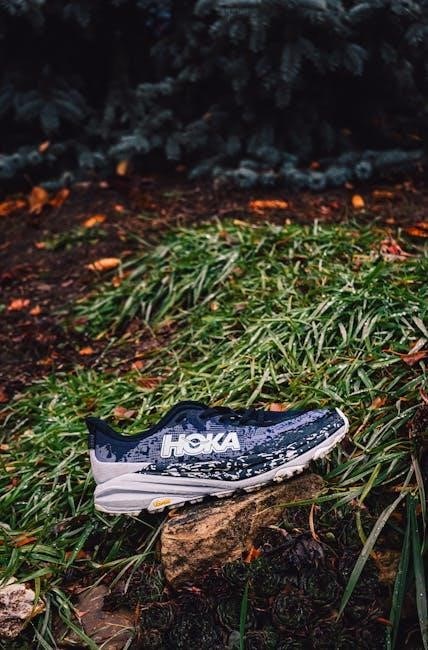
Consider consulting with experts at specialty running stores; they offer gait analysis and personalized shoe recommendations. Websites dedicated to running, like Runner’s World and Verywell Fit, provide articles and advice from experienced runners and podiatrists. Online forums and communities can also offer peer-to-peer support and shared experiences. Remember to prioritize reliable sources and consider your individual needs when seeking assistance. Proper fit is key, and these resources can help you achieve it.
Links to Brand Size Guides and Expert Advice
Access official sizing charts directly from leading brands: Nike Fit Guide, Adidas Size Chart, Asics Size Guide, and Puma Size Guide. On Running provides a helpful size chart at On Running Size Charts.
For expert advice, explore resources like Runner’s World, offering articles on shoe fitting and reviews. Verywell Fit provides a comprehensive running shoe fitting guide. Additionally, Road Runner Sports offers fitting tools and expert advice: Road Runner Sports Fit Finder. Utilize these links to refine your understanding and ensure a perfect fit, maximizing comfort and performance during your runs.