balloon twisting instructions pdf
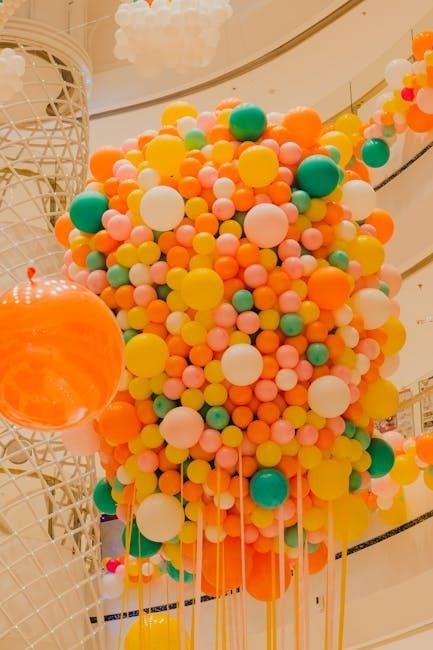
Balloon twisting instructions in PDF format offer a convenient, portable way to learn this fun art form, providing step-by-step guidance for all skill levels.
What are Balloon Twisting Instructions PDFs?
Balloon twisting instruction PDFs are digital documents, typically in the Portable Document Format, designed to teach individuals how to create various shapes and figures using elongated balloons. These guides commonly feature detailed, illustrated step-by-step instructions, making complex twists accessible to beginners and experienced twisters alike.
They often include diagrams showcasing each fold, pinch, and lock twist required for specific designs. PDFs allow for easy printing, viewing on multiple devices (tablets, phones, computers), and offline access – a significant advantage when twisting at events without reliable internet. Many PDFs categorize instructions by difficulty, from simple animal creations to elaborate, multi-balloon sculptures. They represent a concentrated source of knowledge for balloon artistry.
Why Use a PDF for Balloon Twisting Instructions?
Utilizing PDFs for balloon twisting instructions provides numerous benefits. Their portability allows access to guides anywhere, anytime – ideal for events or practice sessions. Unlike streaming videos, PDFs don’t require an internet connection, eliminating buffering issues. The format ensures consistent formatting across devices, preserving diagram clarity.
PDFs are easily printable, offering a tangible reference during twisting. They often offer a structured learning path, progressing from basic to advanced techniques. Furthermore, PDFs are generally inexpensive or even free, making balloon twisting accessible to a wider audience. They represent a cost-effective and convenient learning resource for aspiring balloon artists.

Essential Balloon Twisting Basics
Mastering fundamental techniques is crucial before tackling complex designs; balloon twisting PDFs often begin with essential skills like inflation and simple twists.
Balloon Types for Twisting
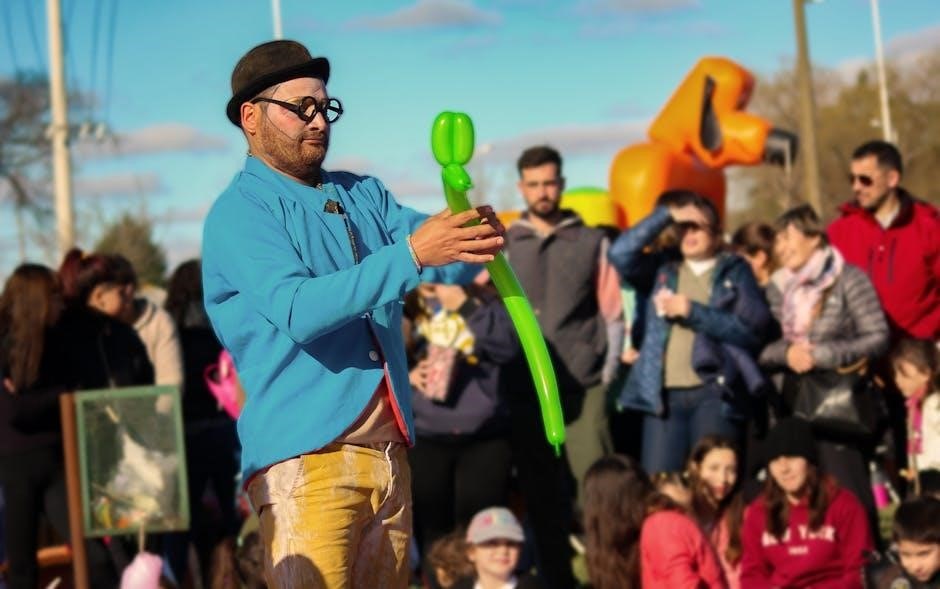
Balloon twisting PDFs frequently detail the various balloon types available, as selecting the right balloon is paramount for successful creations. Standard 260Q balloons are the workhorse for most animal designs, offering length and flexibility. Round balloons, in various sizes, are ideal for flowers and other spherical shapes.
Heart-shaped balloons add a special touch to designs, while modeling balloons come in diverse colors and finishes. PDFs often explain the gauge (thickness) of balloons, impacting durability and ease of twisting. Higher gauge balloons are tougher but require more effort. Understanding latex quality is also key; some balloons are more prone to popping. A good PDF will guide you through these distinctions, ensuring you choose balloons suited to your skill level and desired project.
Balloon Inflation Techniques
Balloon twisting instruction PDFs consistently emphasize proper inflation as a foundational skill. Hand pumps are recommended for beginners, offering control and preventing over-inflation. Electric inflators speed up the process for larger events, but require practice to master. PDFs detail how to leave a sufficient “tail” – uninflated balloon – for twisting, typically around 5-7 inches for a 260Q.
Consistent balloon size is crucial for uniform designs. Many PDFs include diagrams illustrating correct inflation levels. Over-inflated balloons are prone to popping, while under-inflated ones are difficult to twist. Learning to tie a secure knot is also covered, preventing air leakage. Mastering these techniques, as outlined in a quality PDF, is essential for building confidence and creating lasting balloon art.
Basic Twisting Techniques: The Pinch Twist
Balloon twisting instruction PDFs universally introduce the pinch twist as the most fundamental technique. This involves pinching the balloon at the desired point, then twisting it several times to create a bubble. PDFs often feature clear diagrams and photos demonstrating the correct hand positioning and twisting motion.
Many guides emphasize maintaining consistent tension during the twist to prevent unraveling. Mastering the pinch twist is crucial as it forms the basis for more complex designs. PDFs will often show how to combine multiple pinch twists to create limbs or features. Practice is key, and these resources provide exercises to build muscle memory and refine technique, leading to successful balloon creations.

Popular Balloon Animals & Designs — PDF Guides
Balloon twisting instruction PDFs frequently showcase classic designs like dogs, swords, and flowers, offering detailed steps for recreating these beloved creations easily.
Dog Balloon Instructions PDF
Dog balloon instructions in PDF format are arguably the most sought-after beginner guides within the balloon twisting world. These PDFs typically break down the process into incredibly simple, visually clear steps, often utilizing diagrams or photographs to illustrate each twist and fold.
A good dog balloon PDF will cover essential techniques like the pinch twist and lock twist, demonstrating how to create the head, ears, and snout. Many guides offer variations – floppy-eared dogs, spotted dogs, or even different breeds – to encourage creativity.
Beginners appreciate the accessibility of these PDFs, allowing them to practice at their own pace. More advanced PDFs might include tips for achieving a more realistic shape or adding details like eyes and a nose using markers. Finding a well-structured PDF is key to mastering this iconic balloon animal!
Sword Balloon Instructions PDF
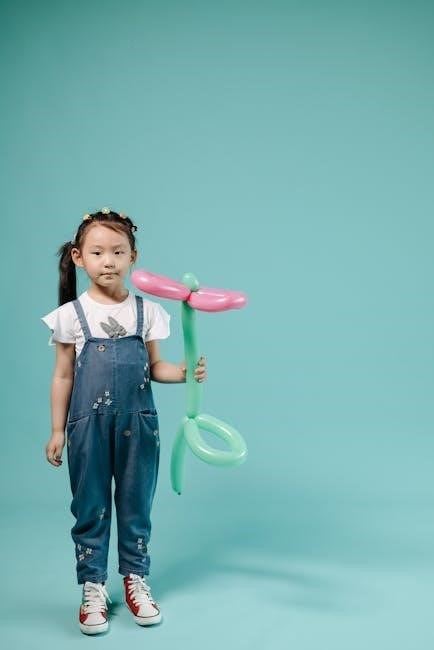
Sword balloon instructions in PDF format represent a classic and popular choice for aspiring balloon twisters, often serving as a stepping stone after mastering the basic dog. These guides typically focus on creating a long, relatively simple structure, emphasizing techniques like the lock twist and consistent balloon pressure.
A quality sword balloon PDF will clearly illustrate how to create the handle and blade, often with diagrams showing the sequence of twists needed to achieve a straight, sturdy form. Some PDFs offer variations, like adding a guard or embellishing the hilt.
These PDFs are valuable for learning how to maintain balloon integrity during longer twists and understanding how to balance air distribution for a visually appealing result. Mastering the sword is a satisfying achievement for beginners!
Flower Balloon Instructions PDF
Flower balloon instructions in PDF format are highly sought after, offering a beautiful and versatile design for parties and events. These guides typically detail creating multiple petals, often using the pinch twist and loop twist techniques, then assembling them around a central hub.
A comprehensive flower balloon PDF will showcase different petal styles – rounded, pointed, or ruffled – and explain how to achieve varying degrees of fullness. Diagrams are crucial for understanding the sequence of twists needed to form each petal and connect them securely.
Advanced PDFs may include instructions for creating leaves or combining multiple flowers into bouquets. Learning to make flower balloons enhances creativity and adds a touch of elegance to any balloon artistry!

Advanced Balloon Twisting Techniques — PDF Resources
Advanced PDF guides unlock complex designs like multi-balloon weaves and sculptures, utilizing varied balloon sizes for dynamic creations and impressive artistry.
Multi-Balloon Designs & Weaves
PDF resources dedicated to multi-balloon designs elevate twisting beyond single-balloon creations. These guides detail intricate weaves, braids, and interconnected structures, often requiring precise inflation and twisting techniques. Expect to find instructions for building balloon arches, columns, and elaborate sculptures;
Many PDFs focus on specific weave patterns, illustrating how to combine multiple balloons to create repeating designs or complex shapes. These resources often include diagrams showing balloon placement and twisting sequences, crucial for achieving a polished final product. Advanced tutorials may cover techniques like bubble weaving, where balloons are twisted together to form a textured surface, or creating balloon dresses and wearable art.
Successfully executing these designs demands patience, practice, and a solid understanding of fundamental twisting principles. PDFs often categorize designs by difficulty, allowing twisters to progressively build their skills.
Using Different Sizing Balloons
Balloon twisting PDFs frequently demonstrate the impact of balloon size on design complexity and aesthetics. Guides illustrate how varying diameters – from standard 260Q balloons to smaller 160Q or even round balloons – contribute to different effects. Larger balloons often form the base of structures, while smaller ones add detail and finesse.
PDFs often provide charts correlating balloon size to specific twists and designs, helping twisters choose appropriate materials. They may showcase how combining sizes creates visual interest, like using a smaller balloon for a character’s nose or ears. Advanced tutorials explore techniques for seamlessly integrating different sizes into a single sculpture.
Understanding balloon sizing is crucial for achieving proportional and structurally sound creations. These resources empower twisters to move beyond basic designs.

Finding & Utilizing Balloon Twisting PDFs
Numerous online resources offer balloon twisting PDFs, ranging from free beginner guides to comprehensive, paid instruction packs, enhancing learning and skill development.
Free PDF Resources Online
The internet boasts a wealth of free balloon twisting PDF resources, perfect for beginners eager to explore the craft without initial investment. Many balloon artists and enthusiasts generously share their creations and instructions online, creating a vibrant community of learning. Websites dedicated to balloon artistry often host downloadable guides covering basic twists, simple animal designs like dogs and swords, and introductory techniques.
YouTube channels frequently link to accompanying PDF instructions in their video descriptions, providing a visual and textual learning experience. Online forums and social media groups focused on balloon twisting are also excellent places to discover shared PDFs and tips. However, it’s crucial to evaluate the quality and clarity of these free resources, as instructions can vary in detail and accuracy. Always prioritize safety guidelines and practice responsible balloon handling when following any free PDF tutorial.
Paid PDF Instruction Packs — What to Expect
Investing in paid balloon twisting PDF packs generally unlocks a higher level of detail and complexity compared to free resources. These packs often feature professionally designed diagrams, clear step-by-step instructions, and a wider range of designs, including advanced animals, characters, and multi-balloon creations. Expect comprehensive guides covering various twisting techniques, balloon types, and inflation methods.
Paid packs may also include troubleshooting tips, advice on performance presentation, and even business guidance for aspiring balloon artists. Many creators offer themed packs, focusing on specific events like birthdays or holidays. The quality can vary, so checking reviews and previews is essential. Expect a more polished and organized learning experience, potentially accelerating skill development and expanding creative possibilities.
Evaluating the Quality of a Balloon Twisting PDF
Assessing a balloon twisting PDF’s quality is crucial for a successful learning experience. Look for clear, high-resolution diagrams that illustrate each step precisely. Instructions should be concise, easy to understand, and logically sequenced. A good PDF will specify balloon sizes and colors needed for each design, avoiding ambiguity.
Check for a variety of designs, catering to different skill levels. User reviews or previews can offer insights into the PDF’s clarity and accuracy. Beware of PDFs with blurry images, poorly written instructions, or missing steps. A well-structured PDF will also include safety tips and potentially troubleshooting advice, ensuring a rewarding and frustration-free learning journey.

Safety Considerations When Balloon Twisting
Prioritize safety! Balloon twisting PDFs should emphasize latex allergy awareness and responsible balloon disposal to minimize environmental impact and health risks.
Latex Allergy Awareness
Balloon twisting PDFs must prominently feature latex allergy warnings. Many individuals experience sensitivities ranging from mild skin irritation to severe allergic reactions. Instruction materials should clearly state the potential risks associated with latex exposure, advising twisters to inquire about allergies before creating balloon animals for others, especially children.
PDF guides should recommend using non-latex balloons (like foil balloons) as a safe alternative for those with confirmed latex allergies. Furthermore, it’s crucial to educate users on recognizing allergy symptoms – hives, itching, swelling, difficulty breathing – and the importance of seeking immediate medical attention if any occur. A responsible PDF will prioritize the well-being of both the twister and the recipient, promoting safe and inclusive balloon art practices.
Balloon Disposal & Environmental Impact
Balloon twisting PDFs should dedicate a section to responsible disposal practices. Latex balloons, while biodegradable, take a considerable time to decompose, and pose a risk to wildlife if ingested. Guides should strongly advise against releasing balloons into the environment, emphasizing the potential harm to animals and ecosystems.
PDFs should promote proper disposal methods – cutting up balloons to remove the necks (preventing animal entanglement) and discarding them in designated waste bins. Encouraging the use of biodegradable balloon alternatives and highlighting the importance of cleanup after events are also vital. A conscientious guide will advocate for minimizing the environmental footprint of balloon twisting, fostering sustainable practices within the hobby.

Troubleshooting Common Balloon Twisting Issues
Balloon twisting PDFs often include sections dedicated to resolving common problems like popping and difficult twists, offering solutions for smoother creations.
Balloon Popping Prevention
Comprehensive balloon twisting PDFs frequently dedicate sections to preventing those frustrating pops! They emphasize proper inflation – avoiding overfilling is crucial, as excess pressure weakens the latex. Many guides detail the importance of using a hand pump or a balloon inflator with a pressure regulator to maintain consistent inflation.
Furthermore, these resources highlight the significance of quality balloons; cheaper balloons are more prone to breakage. PDF instructions often advise gently stretching balloons before twisting to increase elasticity and reduce the risk of snapping. They also cover proper twisting techniques, stressing smooth, controlled movements rather than jerky ones. Avoiding sharp fingernails or abrasive surfaces during twisting is another key preventative measure detailed within these guides.
Dealing with Difficult Twists
Detailed balloon twisting PDFs often include troubleshooting sections addressing common challenges. They acknowledge that certain twists, particularly complex ones, can be initially difficult to master. These resources suggest revisiting earlier, simpler steps to reinforce foundational techniques if encountering problems.
Instructional PDFs frequently advise gently re-twisting sections if a twist feels too loose or unstable, rather than forcing it. They also emphasize the importance of balloon quality – older or lower-quality balloons can be less pliable. Many guides offer visual aids, like diagrams or photos, demonstrating correct hand positioning and twist execution. PDFs may suggest using a lubricant, like balloon shine, to ease difficult twists and prevent friction.

Resources for Further Learning
Balloon twisting PDFs are a starting point; online communities and workshops offer advanced techniques, peer support, and inspiration for continued growth.
Online Balloon Twisting Communities
Engaging with online balloon twisting communities provides invaluable support and learning opportunities beyond static PDF instructions. Numerous forums and social media groups are dedicated to the art, fostering a collaborative environment where enthusiasts share tips, tricks, and custom balloon animal designs. These platforms often host detailed discussions on interpreting complex PDF guides, troubleshooting challenging twists, and discovering new techniques.
Members frequently share their own modified instructions or create supplementary PDFs to clarify ambiguous steps found in commercially available packs. Participating in these communities allows you to ask questions directly to experienced twisters, receive constructive feedback on your creations, and stay updated on the latest trends and innovations within the balloon twisting world. It’s a dynamic space for continuous learning and inspiration, complementing the structured learning offered by balloon twisting PDFs.
Balloon Twisting Conventions & Workshops
Attending balloon twisting conventions and workshops offers an immersive learning experience that goes far beyond simply following PDF instructions. These events provide hands-on training with master twisters, allowing you to refine your techniques and learn advanced skills not typically detailed in written guides. Workshops often focus on specific themes, like complex character creations or large-scale installations, supplementing knowledge gained from PDF resources.
Conventions are excellent for networking with other balloon artists, discovering new products, and gaining inspiration. Many instructors offer exclusive workshop materials, sometimes including customized PDF guides tailored to the skills taught. This direct interaction and personalized feedback accelerate learning and help overcome challenges encountered when interpreting standard balloon twisting PDFs. It’s a fantastic way to elevate your artistry.