russie mediterranee pdf

The Resurgence of Russian Mediterranean Presence: A Historical and Contemporary Analysis
Recent developments‚ as of March 24‚ 2026‚ indicate a renewed Russian naval focus on the Mediterranean‚ echoing Cold War strategies and driven by geopolitical ambitions.
Historical Context: Imperial Russia and the Mediterranean
Imperial Russia’s engagement with the Mediterranean dates back centuries‚ primarily driven by ambitions for warm-water ports and strategic influence. Catherine the Great notably envisioned expanding southward‚ aiming to control access to the Black Sea and‚ consequently‚ the Mediterranean. This involved numerous conflicts with the Ottoman Empire‚ seeking territorial gains and commercial dominance.
Russian naval expeditions frequently patrolled these waters‚ protecting trade routes and projecting power. However‚ logistical challenges and limited naval capabilities often hampered sustained presence. The Crimean War (1853-1856) vividly demonstrated Russia’s vulnerabilities in the region‚ exposing weaknesses in its naval infrastructure and supply lines. Despite setbacks‚ the desire for Mediterranean access remained a consistent feature of Russian foreign policy throughout the 19th century‚ shaping its interactions with European powers and the Ottoman world.
The Soviet Era: Limited but Strategic Involvement
During the Soviet period‚ Russia’s Mediterranean presence was considerably more restrained compared to its imperial past‚ largely due to ideological constraints and the focus on global power projection elsewhere. However‚ the strategic importance of the region wasn’t entirely neglected. The Soviet Union sought to establish relationships with states bordering the Mediterranean‚ particularly Syria‚ offering military and economic aid to counter Western influence.
Naval deployments were primarily focused on supporting allies and demonstrating a limited capacity to project power. The Black Sea Fleet played a crucial role‚ though its access to the Mediterranean was often restricted. The Soviets prioritized submarine warfare and maintaining a discreet presence‚ avoiding direct confrontation with NATO forces. This era established a foundation for future re-engagement‚ albeit one characterized by caution and strategic calculation.
Post-Soviet Russia: Initial Hesitation and Gradual Return
The collapse of the Soviet Union initially led to a significant decline in Russia’s Mediterranean capabilities and ambitions. Economic hardship and internal political turmoil hampered naval modernization and foreign policy initiatives. Throughout the 1990s‚ Russia’s involvement was minimal‚ largely confined to maintaining existing relationships with Syria. However‚ as Russia’s economic and political situation stabilized under Vladimir Putin‚ a gradual return to the Mediterranean began.
This resurgence was driven by a desire to restore Russia’s great power status and counter perceived Western encroachment in its near abroad and beyond. Renewed focus on the Black Sea Fleet‚ coupled with increased naval exercises‚ signaled a growing commitment to re-establishing a presence in the region‚ laying the groundwork for the more assertive posture observed in recent years.
The Current Russian Naval Build-up in the Mediterranean (as of 03/24/2026)
As of today‚ the destroyer Smetlivy is en route to the Mediterranean‚ signifying a push towards a permanent Russian naval presence in the region.
The Smetlivy Destroyer Deployment: A Case Study
The deployment of the Smetlivy destroyer‚ under Captain Viktor Skokov’s command‚ represents a tangible demonstration of Russia’s escalating Mediterranean ambitions. Departing from its base in Sevastopol over the recent weekend‚ the vessel’s journey through the straits signals a deliberate intent to reassert naval power in the area. This isn’t merely a routine exercise; it’s a calculated move aligning with calls from the Russian naval chief to re-establish a consistent‚ permanent Mediterranean presence – reminiscent of the Cold War era.
The Smetlivy’s mission objectives remain officially undisclosed‚ but its presence undoubtedly serves as a visible reminder of Russia’s capabilities and willingness to project force. This deployment is a crucial case study for understanding the evolving dynamics of Russian naval strategy in the Mediterranean Sea.
Increased Naval Activity: Beyond the Smetlivy
While the Smetlivy destroyer’s deployment garners significant attention‚ it’s crucial to recognize it as part of a broader pattern of heightened Russian naval activity in the Mediterranean. The call from the Russian naval chief to reinstate a permanent naval foothold‚ mirroring Cold War practices‚ underscores a systemic shift in strategy. This isn’t an isolated incident but a deliberate effort to expand Russia’s operational reach and influence within the region.
Reports suggest increased frequency of Russian warships transiting the Mediterranean‚ conducting exercises‚ and engaging in port calls. This escalating presence signals a clear intention to challenge existing naval power dynamics and solidify Russia’s strategic position in this vital geopolitical theater.
Strategic Objectives: Re-establishing a Permanent Presence
Russia’s ambition to re-establish a permanent naval presence in the Mediterranean isn’t merely a display of power; it’s a calculated move rooted in long-term strategic objectives. The naval chief’s advocacy directly links this goal to the “glorious times of the Cold War‚” revealing a desire to recapture lost influence and project power directly into Southern Europe and North Africa.
This permanent presence aims to secure access and operational freedom‚ safeguarding vital sea lanes and bolstering Russia’s ability to respond to regional crises. It’s a clear signal of intent to become a key player in Mediterranean security dynamics‚ challenging the established dominance of NATO and other Western powers.

Motivations Behind Russia’s Mediterranean Strategy
Russia’s Mediterranean strategy is fueled by geopolitical competition‚ protecting crucial energy routes‚ and strengthening alliances—particularly with Syria—to counter Western influence.
Geopolitical Considerations: Countering Western Influence
Russia views a robust Mediterranean presence as vital for challenging the longstanding dominance of the United States and NATO in the region. This resurgence isn’t merely about naval power; it’s a strategic move to reassert Russia’s role as a major global player and disrupt perceived unilateral control. The deployment of vessels like the Smetlivy destroyer signals Moscow’s intent to project power and influence‚ directly contesting Western military and political initiatives.
Furthermore‚ establishing a permanent naval foothold allows Russia to monitor and potentially influence events in North Africa and the Eastern Mediterranean‚ areas of significant strategic importance to Europe. This capability directly challenges the existing security architecture and offers Russia leverage in negotiations with both regional actors and Western powers‚ aiming to create a more multipolar world order.
Protecting Strategic Interests: Energy and Trade Routes
Russia’s Mediterranean strategy is intrinsically linked to safeguarding its economic interests‚ particularly concerning energy transit routes. The region is a crucial corridor for Russian oil and gas exports to Europe and beyond‚ and a secure presence ensures uninterrupted access to these vital markets. Maintaining naval capabilities in the Mediterranean allows Moscow to protect these sea lanes of communication from potential disruptions‚ be they from geopolitical instability or hostile actions.
Beyond energy‚ the Mediterranean serves as a key trade route for a diverse range of Russian exports. A strengthened naval presence facilitates secure commerce and reinforces Russia’s economic ties with regional partners‚ bolstering its overall economic influence. This protection of trade routes is therefore a cornerstone of Russia’s broader strategic objectives in the area.
Supporting Allies: Syria and Other Regional Partners
A central tenet of Russia’s Mediterranean policy revolves around bolstering its alliances‚ most notably with Syria. Russia’s military intervention in Syria‚ beginning in 2015‚ solidified President Bashar al-Assad’s regime and established a firm foothold for Moscow in the region. Maintaining a naval presence in the Mediterranean directly supports these Syrian allies‚ providing logistical support and demonstrating a commitment to their security.
Furthermore‚ Russia actively cultivates relationships with other regional actors. While the nature of these partnerships varies‚ a consistent naval presence signals Russia’s willingness to engage and cooperate‚ fostering a network of influence. This support extends to diplomatic efforts and arms sales‚ strengthening Russia’s position as a key player in the Mediterranean’s complex geopolitical landscape.
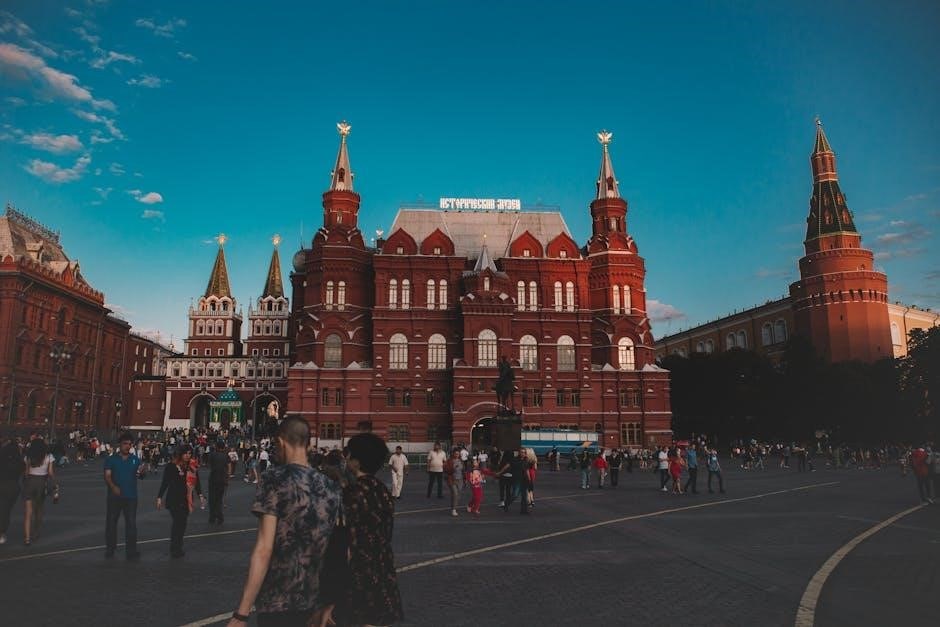
The Role of the Russian Black Sea Fleet
The Black Sea Fleet‚ based in Sebastopol‚ is pivotal for projecting Russian naval power into the Mediterranean‚ serving as the primary launchpad for deployments.
Sebastopol as a Key Naval Base
Sebastopol’s strategic importance to the Russian Black Sea Fleet‚ and consequently to Mediterranean operations‚ cannot be overstated. Historically significant and geographically advantageous‚ the base provides crucial access for vessels deploying southward through the Turkish Straits. Its deep-water harbor facilitates the maintenance and resupply of warships‚ including destroyers like the Smetlivy‚ recently dispatched towards the Mediterranean.
The base’s infrastructure‚ though modernized‚ still reflects its Soviet-era origins‚ presenting both strengths and limitations. Control of Sebastopol‚ secured after considerable geopolitical maneuvering‚ allows Russia to maintain a consistent naval presence‚ challenging regional power dynamics. The fleet’s ability to rapidly respond to evolving situations in the Mediterranean is directly linked to the operational readiness and logistical capabilities centered in Sebastopol. This base remains the cornerstone of Russia’s Mediterranean ambitions.
Naval Capabilities and Modernization
The Russian Black Sea Fleet‚ despite facing challenges‚ demonstrates evolving naval capabilities. Deployments like the Smetlivy destroyer showcase a commitment to projecting power into the Mediterranean. Modernization efforts focus on upgrading existing vessels and introducing new classes of warships‚ enhancing their operational range and firepower. These improvements aim to counter potential threats and assert Russian influence;
However‚ limitations persist. While modernization is underway‚ the fleet’s overall size and technological sophistication lag behind NATO’s naval forces. Maintaining a permanent Mediterranean presence requires sustained logistical support and overcoming constraints imposed by the Turkish Straits. Russia’s naval strategy relies on a blend of modernized platforms and a focus on anti-access/area denial capabilities‚ seeking to complicate operations for potential adversaries in the region.
Challenges and Limitations of the Black Sea Fleet
Despite modernization‚ the Black Sea Fleet faces significant hurdles. Access to the Mediterranean is heavily reliant on passage through the Turkish Straits‚ governed by international conventions that limit the size and duration of naval deployments. This creates a strategic bottleneck‚ potentially hindering Russia’s ability to sustain a permanent presence.
Furthermore‚ logistical constraints pose a considerable challenge. Maintaining warships far from home ports requires extensive supply lines and support infrastructure. The fleet’s operational effectiveness is also impacted by ongoing geopolitical tensions and the potential for disruptions in the Black Sea region. These limitations necessitate a careful balancing act between projecting power and managing inherent vulnerabilities.

International Reactions to Russia’s Mediterranean Expansion
NATO‚ the EU‚ and regional powers are closely monitoring Russia’s increased naval activity‚ expressing concerns about potential disruptions to regional stability and security.
NATO’s Response and Concerns
NATO views Russia’s escalating Mediterranean presence with significant apprehension‚ particularly the deployment of vessels like the Smetlivy destroyer and calls for a permanent naval base. The alliance is bolstering its own naval surveillance and readiness in the region‚ conducting increased exercises with Mediterranean partners like Greece and Italy.
Concerns center on potential challenges to freedom of navigation‚ increased risk of miscalculation‚ and the projection of Russian power into a strategically vital area. NATO officials have emphasized the need for transparency regarding Russia’s intentions and adherence to international law. The alliance is also coordinating diplomatic efforts to address the situation‚ seeking to de-escalate tensions and reaffirm collective defense commitments to its member states bordering the Mediterranean Sea.
European Union Perspectives
The European Union exhibits a nuanced response to Russia’s Mediterranean resurgence‚ balancing concerns about security with existing economic and diplomatic ties. While acknowledging NATO’s anxieties‚ the EU prioritizes a multi-faceted approach‚ emphasizing dialogue and adherence to international maritime law. Several member states‚ particularly those in Southern Europe‚ express heightened vigilance regarding Russian naval activity near their shores.
The EU is focused on maintaining stability in the region‚ especially concerning energy supply routes and migration flows. Increased Russian presence raises questions about potential disruptions and the need for coordinated maritime security measures. The EU is also monitoring the situation regarding the drifting methanol tanker incident‚ seeking clarification and cooperation from all parties involved‚ including Russia‚ to ensure maritime safety and prevent environmental disasters.
Regional Powers’ Views: Egypt‚ Turkey‚ and Israel
Egypt views Russia’s increased Mediterranean presence with cautious pragmatism‚ maintaining a strategic partnership with Moscow that includes military cooperation and arms deals. However‚ Cairo remains committed to its alliances with the West and seeks to balance its relationships to safeguard its national interests and regional stability.

Turkey’s perspective is more complex‚ given its competing interests with Russia in Syria and the Black Sea. While engaging in dialogue with Moscow‚ Ankara also strengthens its military capabilities and NATO ties‚ viewing the Russian build-up with a degree of suspicion. The drifting methanol tanker incident further underscores the need for enhanced maritime security coordination.
Israel closely monitors Russian activity‚ particularly in Syria‚ where Russia maintains a significant military presence. Israel prioritizes preventing Iranian entrenchment in the region and coordinates with Russia to avoid unintended clashes‚ while remaining wary of Moscow’s broader strategic objectives.
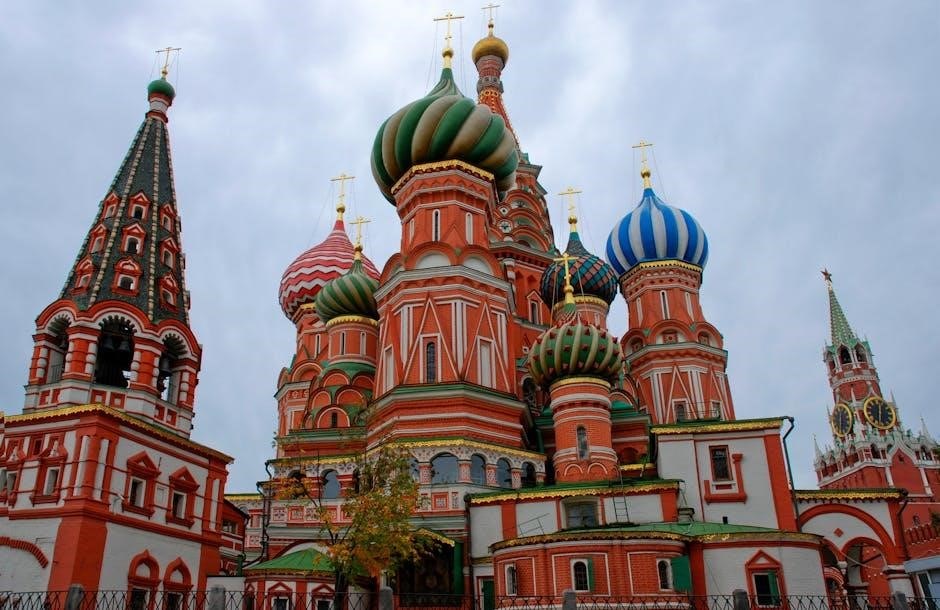
The Incident with the Deriving Methanol Tanker & Russian Foreign Ministry Involvement
The Russian Foreign Ministry urgently requested neighboring countries assist with a drifting methanol tanker in the Mediterranean‚ highlighting maritime security concerns.
Details of the Incident
Reports surfaced on March 24‚ 2026‚ concerning a methanol tanker that had become adrift within the Mediterranean Sea. The vessel‚ origin and destination initially unclear‚ posed a significant hazard to navigation and potential environmental risks due to its cargo. The incident quickly drew attention from regional maritime authorities‚ prompting initial search and assessment efforts. However‚ the tanker’s uncontrolled drift presented escalating challenges‚ necessitating broader international cooperation.
The exact cause of the vessel’s loss of propulsion remains under investigation‚ though preliminary assessments suggest a possible mechanical failure. The situation was further complicated by adverse weather conditions‚ hindering immediate response capabilities. The drifting tanker’s proximity to key shipping lanes and coastal areas amplified concerns‚ leading to urgent calls for assistance from nations bordering the affected waters.
Russian Diplomatic Efforts and Regional Cooperation
Following the incident with the drifting methanol tanker‚ the Russian Foreign Ministry swiftly engaged in diplomatic outreach to neighboring countries. Moscow formally requested assistance and information sharing from nations with maritime presence in the Mediterranean‚ emphasizing the need for a coordinated response. This proactive approach signaled Russia’s willingness to collaborate on maritime security‚ despite existing geopolitical tensions.
Specifically‚ the Ministry urged countries near the tanker’s trajectory to deploy assets capable of providing assistance‚ including tugboats and specialized response teams. These efforts aimed to mitigate potential environmental damage and ensure the safety of maritime traffic. Russia also offered its own naval resources‚ demonstrating a commitment to regional stability and collaborative problem-solving in a critical maritime zone.
Implications for Maritime Security in the Mediterranean
The drifting methanol tanker incident underscores the escalating vulnerabilities within the Mediterranean Sea‚ demanding heightened vigilance and collaborative security measures. This event highlights the potential for disruptions to vital shipping lanes‚ impacting energy supplies and global trade. The incident also reveals the complexities of coordinating responses across multiple national jurisdictions‚ necessitating improved communication protocols and joint exercises.
Furthermore‚ the situation raises concerns about the potential for deliberate acts targeting maritime infrastructure. Increased naval presence‚ like that of the Smetlivy destroyer‚ while intended to project power‚ could also inadvertently escalate tensions. A comprehensive approach to maritime security‚ encompassing intelligence sharing‚ enhanced surveillance‚ and robust emergency response capabilities‚ is now paramount for all stakeholders in the region.

Sabine Dullin’s Analysis of Russian Despotism and its Impact on Foreign Policy
Professor Dullin’s research connects Russia’s historical imperial despotism to its current foreign policy‚ influencing strategic decisions like the Mediterranean naval build-up.
The Legacy of Imperial Despotism on Russian Strategy
Sabine Dullin’s analysis posits that the enduring legacy of imperial despotism profoundly shapes Russia’s strategic thinking and actions on the international stage. This historical pattern isn’t merely a relic of the past; it actively informs contemporary policy decisions‚ particularly concerning assertive foreign policy maneuvers. The centralized‚ top-down decision-making structure‚ characteristic of Russian despotism‚ fosters a worldview prioritizing state power and control‚ often at the expense of international norms and collaborative approaches.
This historical context explains a tendency towards unilateral action and a perceived need to demonstrate strength‚ directly influencing Russia’s renewed interest in establishing a permanent naval presence in the Mediterranean. The desire to project power and reassert influence‚ hallmarks of imperial ambition‚ are clearly visible in current naval deployments and strategic pronouncements.
Contemporary Manifestations of Despotic Tendencies
Presently‚ these despotic tendencies manifest in Russia’s assertive foreign policy‚ characterized by a willingness to challenge the existing international order and disregard established diplomatic protocols. The deployment of the Smetlivy destroyer‚ and the call for a permanent Mediterranean naval presence‚ exemplify this pattern – a demonstration of force intended to reassert Russian influence. This echoes historical imperial ambitions‚ prioritizing national interests above collective security concerns.
Furthermore‚ the Russian Foreign Ministry’s involvement in the drifting methanol tanker incident reveals a tendency towards centralized control and a proactive‚ yet potentially destabilizing‚ interventionist approach. Such actions‚ driven by a perceived need to protect strategic interests‚ demonstrate a continuation of historical patterns of autocratic decision-making and a disregard for established maritime protocols.
How Historical Patterns Influence Current Mediterranean Policy
Historically‚ Russia’s Mediterranean ambitions stem from a long-held desire for warm-water ports and control over vital trade routes‚ dating back to Imperial Russia’s expansionist policies. The current push to re-establish a permanent naval presence mirrors Soviet-era strategies‚ albeit with modernized capabilities. Sabine Dullin’s analysis highlights how the legacy of imperial despotism continues to shape Russian strategic thinking‚ prioritizing centralized control and assertive projection of power.
This historical context informs the current deployment of vessels like the Smetlivy and the proactive diplomatic responses to incidents like the drifting methanol tanker. Russia views the Mediterranean as a crucial arena for countering Western influence and safeguarding its strategic interests‚ a perspective deeply rooted in its historical geopolitical calculations and a persistent sense of national exceptionalism.