m1 garand rifle manual
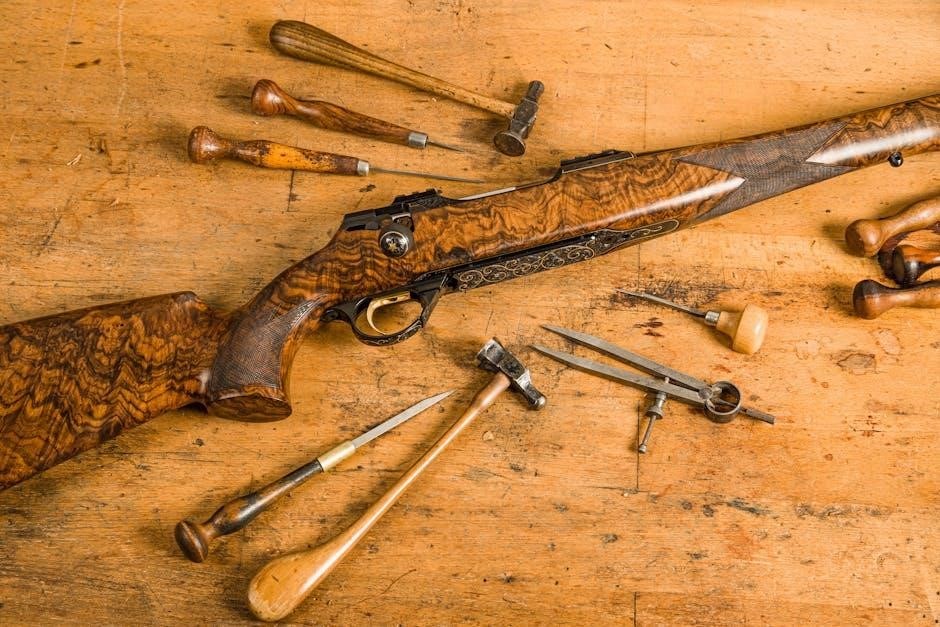
M1 Garand Rifle Manual Overview
A collection of useful military training material is presented․ It details the operation and maintenance of the M1 series of rifles․ This includes accessories developed in the 1950s and 1960s, offering complete guidance․
Purpose of Military Training Material
The military training material for the M1 Garand rifle serves a critical purpose in ensuring comprehensive understanding and proficient handling of this iconic firearm․ These manuals, such as the U․S․ Army M-1 Garand Technical Manual, specifically Field Manual 23-5, are essential resources designed to educate personnel on every aspect of the rifle․ They cover the intricacies of operation, proper maintenance procedures, and the various features of the US Rifle Caliber ․30 M1․ Beyond mere mechanical instruction, these materials also detail the use and care of accessories developed for the M1 series throughout the 1950s and 1960s, providing a complete educational package․ The purpose extends to facilitating safe and effective manipulation of the rifle, even for specialized scenarios like color guard duties or adapting for individuals with unique physical challenges, as demonstrated by the need to manipulate a rifle for a cadet missing a left hand․ Ultimately, this training material aims to equip soldiers, cadets, and enthusiasts with the knowledge required to master the M1 Garand, ensuring its continued legacy as a reliable battle implement․

Scope of M1 Series Rifles and Accessories
The scope of M1 series rifles and accessories is meticulously covered in military training materials․ These documents, comprising various technical manuals, provide a complete guide for the US Rifle Caliber ․30 M1, known as the M1 Garand․ They detail the rifle’s design, operational mechanics, and essential maintenance procedures․ Crucially, coverage extends to a comprehensive array of accessories specifically developed for the M1 series during the 1950s and 1960s․ This includes instructions for specialized attachments, like sniper variants, and other supportive gear․ The aim is to offer a holistic understanding, ensuring users are proficient with the weapon and its full ecosystem of enhancements․ This broad scope ensures personnel, from infantry to specialized roles, possess knowledge for effective utilization across diverse operational settings․

Key U․S․ Army Field Manuals
Crucial U․S․ Army field manuals provide comprehensive guidance for the M1 Garand rifle․ These essential documents detail operation, maintenance, and technical specifications, ensuring soldiers master this iconic firearm․ They are vital for training․
Field Manual 23-5 Identification
Field Manual 23-5 stands as a cornerstone document for the U․S․ Army regarding the M1 Garand rifle․ Often identified simply as FM 23-5, this comprehensive publication serves as the official technical manual detailing every crucial aspect of the rifle․ Its specific designation ensures soldiers and enthusiasts alike can precisely locate authoritative information concerning the M1 Garand, also known as the US Rifle Caliber ․30, M1․ This indispensable manual is readily available in various formats, including historical reprints and digital versions, making its content widely accessible for thorough study and critical reference․ It covers vital areas such as nomenclature, detailed disassembly, assembly, and operational procedures․ The consistent identification of “Field Manual 23-5” across military and civilian resources underscores its singular importance as the primary instructional guide for this legendary firearm․ Without this specific manual, comprehensive understanding and proper handling of the M1 Garand would be significantly more challenging; Its clear identification as the definitive guide solidified its vital place in military training and historical documentation․
Technical Manual Series for M1 Rifles
The M1 Garand rifle was supported by a comprehensive series of technical manuals, crucial for its widespread deployment and maintenance․ Among these, Field Manual 23-5 stands as the definitive U․S․ Army technical manual, specifically addressing the M1 Garand Rifle Caliber ․30․ This series of military training material was meticulously developed to cover all aspects of the M1 rifles, ensuring soldiers could operate, maintain, and troubleshoot their weapons effectively․ Beyond the core FM 23-5, the broader technical manual series also encompassed information on various accessories that were developed for the M1 series during the 1950s and 1960s․ These manuals provided detailed instructions, diagrams, and specifications, which were indispensable for both infantrymen in the field and armorers responsible for more complex repairs․ The existence of such a robust series underscores the M1 Garand’s importance and the U․S․ military’s commitment to providing thorough documentation for its service weapons, ensuring peak performance and longevity across different operational theaters․

Historical Significance and Legacy
The M1 Garand is an enduring icon, hailed by General Patton as the “greatest battle implement ever devised․” It was revolutionary, effective, and served generations of soldiers, cementing its historical legacy and notoriety․
General Patton’s Famous Quote on M1 Garand
General George S․ Patton, a towering figure in American military history, bestowed upon the M1 Garand rifle one of its most enduring and powerful accolades․ His famous declaration, “In my opinion, the M1 rifle is the greatest battle implement ever devised,” cemented the weapon’s legendary status in the annals of warfare․ This powerful statement, coming from a commander of his caliber and extensive combat experience, was not merely a casual observation but a profound testament to the rifle’s unparalleled effectiveness and reliability on the battlefield during critical engagements․
Patton’s words resonated deeply within the U․S․ military and among soldiers carrying the M1 Garand․ They highlighted the rifle’s revolutionary design and critical role, equipping American infantry with a decisive advantage․ Few weapons received such a resounding endorsement from a leader of Patton’s stature, underscoring the M1’s exceptional performance and immediate impact on operations․ This quote remains a cornerstone of the M1 Garand’s legacy, symbolizing its reputation as a superior, indispensable tool for freedom․

Revolutionary and Effective Battle Implement
The M1 Garand emerged as a truly revolutionary and effective battle implement, fundamentally altering infantry combat․ Its semi-automatic operation, a significant advancement over the bolt-action rifles of its era, provided American soldiers with unprecedented firepower․ This innovation allowed for a higher rate of sustained fire, granting a critical advantage in engagements and changing the dynamics of battlefield tactics․ It was a paradigm shift in military small arms, solidifying its place as one of the most notable service rifles in history due to its profound impact on warfare․
Its effectiveness was widely recognized and lauded, particularly by General George S․ Patton, who famously declared it the “greatest battle implement ever devised․” This endorsement from a highly experienced commander highlighted the rifle’s exceptional reliability, accuracy, and robust performance in challenging combat environments․ The M1 Garand’s design, including its efficient en bloc clip system, contributed to its reputation for combat readiness and superiority․ For many decades, it remained a common and trusted weapon, shaping the experiences of two generations of soldiers and becoming an enduring icon․
M1 Garand as an Enduring Icon
The M1 Garand has firmly established itself as an enduring icon, transcending its role as a mere military weapon to become a symbol of American military prowess and ingenuity․ Few weapons in history command the same level of notoriety and respect․ For many decades, it was a common sight, serving as the primary service rifle for the U․S․ military through some of the 20th century’s most defining conflicts․ This widespread use cemented its place in the collective consciousness․
Its legacy extends beyond the battlefield, deeply influencing two generations: those who served with it and their children who grew up hearing its stories․ This direct connection fostered a unique sense of familiarity and reverence for the rifle․ The M1 Garand is more than just a firearm; it represents a pivotal era in military history, embodying reliability, effectiveness, and a distinctive American design philosophy․ Its iconic status is a testament to its profound impact on combat, culture, and the national identity, ensuring its recognition and admiration continue for years to come․

Operation and Handling Techniques
This section provides a complete guide to operating the M1 Garand․ It covers the function and features of the US Rifle Caliber 30 M1, including techniques for loading and unloading its en bloc clip, and crucial methods to prevent the infamous Garand Thumb․
Function and Features of the US Rifle Caliber 30 M1
The US Rifle Caliber ․30 M1, known widely as the M1 Garand, is a revolutionary semi-automatic service rifle․ Its core function relies on a gas-operated system, allowing it to rapidly cycle rounds without manual bolt manipulation, a significant upgrade from its bolt-action predecessors․ A defining feature is its use of an 8-round en bloc clip, which is loaded into the receiver and ejected with a distinctive “ping” sound upon emptying․ This mechanism enabled soldiers to maintain a high rate of fire․ Chambered for the powerful ․30-06 Springfield cartridge, the Garand delivered robust stopping power and reliable performance across various combat theaters․ Its sturdy construction ensured durability, making it a dependable weapon․ The rifle also featured effective iron sights, typically an adjustable aperture rear and a protected blade front, providing good accuracy․ The ergonomic design, including its wooden stock, contributed to comfortable handling and stability, solidifying its reputation as an effective and iconic battle implement․ Its innovative engineering set new standards for military rifle design․
Loading and Unloading the En Bloc Clip
The distinctive 8-round en bloc clip is central to the M1 Garand’s operation, requiring a specific loading technique․ To load, the bolt must be held open․ The loaded clip is then carefully inserted into the magazine well from the top, with cartridges facing forward․ The user applies firm downward pressure with the thumb, ensuring the clip seats securely until the operating rod is released, chambering the first round․ Precision is paramount to prevent the infamous “Garand Thumb,” a painful injury caused by the bolt slamming shut on an improperly positioned digit․ Expert handlers, as demonstrated by figures like Henry Chan, emphasize specific grip and thumb placement to safely guide the clip while keeping fingers clear of the closing bolt․ Unloading is typically automatic; after the eighth round is fired, the empty clip is forcefully ejected upwards with a characteristic “ping” sound․ To unload a partially full clip, a soldier would depress the clip latch on the left side of the receiver while simultaneously pushing the clip upwards from the bottom, allowing it to spring out․ This unique loading and unloading system defined the rifle’s rapid combat readiness․
Preventing the Notorious Garand Thumb
Preventing the notorious “Garand Thumb” is essential for safe M1 Garand operation․ This painful injury occurs when the M1’s powerful bolt slams shut on a thumb during en bloc clip loading․ Experts, like Henry Chan of 9-Hole Reviews, demonstrate the precise technique․ First, firmly hold the operating rod fully to the rear with the heel of your dominant hand․ Then, use your thumb to push the 8-round clip completely into the magazine well until it seats․ Crucially, immediately and completely withdraw your thumb clear of the bolt’s closing path before releasing the operating rod․ This ensures the bolt chambers the first round safely, preventing severe impact․ Consistent, disciplined practice builds the muscle memory for efficient, injury-free use, safeguarding against this unique, well-known occupational hazard․

Maintenance and Specialized Drills

This section offers guidelines for M1 Garand maintenance, ensuring rifle reliability and longevity․ It includes specialized drills for handling and an overview of accessories developed for the M1․
General Maintenance Procedures for M1 Rifles
General maintenance is paramount for rifle reliability and extended longevity․ Regular cleaning removes fouling, carbon, and corrosive residues from bore, chamber, and gas system․ Disassembly, detailed in training materials, allows thorough cleaning, preventing operational issues․ Lubrication is vital; apply appropriate lubricants to all moving parts, minimizing friction for smooth, consistent cycling․ Routine inspection for wear and damage is critical for sustained, safe performance․ Check springs, pins, and critical interfaces for fatigue or breakage, replacing promptly to prevent malfunctions․ Proper storage in a clean, dry environment with preservative oil protects from rust and damage․ Adhering to these established procedures, consistent with military manuals, ensures readiness and historical integrity for service․

Accessories Developed for the M1 Series
The M1 Garand saw development of various accessories, as detailed in military training materials from the 1950s and 1960s․ These additions significantly enhanced the rifle’s versatility and combat effectiveness․ Soldiers were trained on their integration and proper use, making them essential components of the M1 system․ Developments included different bayonet models, providing close-quarters combat capability and practical utility․ Slings were continuously improved for better carrying comfort and enhanced stability during firing․ Muzzle-mounted grenade launchers expanded the rifle’s offensive reach, enabling rifle grenade deployment․ Specialized cleaning kits and maintenance tools were engineered to facilitate the Garand’s upkeep across diverse field conditions․ Optical sights and mounting systems were introduced for designated sniper variants, greatly improving long-range precision․ Carrying solutions such as ammunition pouches and gear holsters were also tailored for the M1’s unique en bloc clips and the soldier’s overall loadout․ These developed accessories ensured the M1 Garand remained a highly adaptable and effective battle implement for decades, reflecting continuous military innovation and evolving battlefield requirements․